Computer Science and Engineering
Vision:
Producing competent computer engineers with a strong background in the latest trends and technology to achieve academic excellence and to become pioneers in software and hardware products with an ethical approach to serve the society.
Mission:
- To provide quality education by inculcating strong fundamentals in basic science , mathematics and engineering concepts through the state of the art facilities.
- To provide the learning ambience that helps the students to enhance problem solving skills and to inculcate in them the habit of continuous learning in their domain of interest.
- To serve the society by providing insight solutions to the real world problems by employing the latest trends of computing technology with strict adherence to professional and ethical responsibilities.
Programme Educational Objectives:
- To equip graduates with a sound understanding of basic sciences, mathematics, and engineering fundamentals to meet contemporary technological demands.
- To nurture the ability to identify, formulate, analyse, and design innovative solutions for complex engineering problems across various domains of computer science.
- To provide hands-on engineering exposure through experiments and projects, enabling students to analyse and interpret experimental data effectively.
- To instil professional ethics, leadership qualities, and social responsibility, preparing graduates to work effectively both as individuals and as team leaders.
- To develop interpersonal and soft skills that empower graduates to contribute positively to society and excel in their professional pursuits.
Programme Specific Outcomes
1.Ability to meet industry standards, pursue higher education, and become successful entrepreneurs in areas such as Networking, Data Mining, Web Development, and IT Services.
2.Ability to understand and analyse core and interdisciplinary problems to develop innovative and sustainable solutions with social relevance, encouraging knowledge sharing and technology transfer.
MOUs.(Memorandum of Understanding)
- Infosys
- IBM
- ICTACT
- Stigmata Techno Solutions (pvt) Ltd.
Engineering Graduates will be able to:
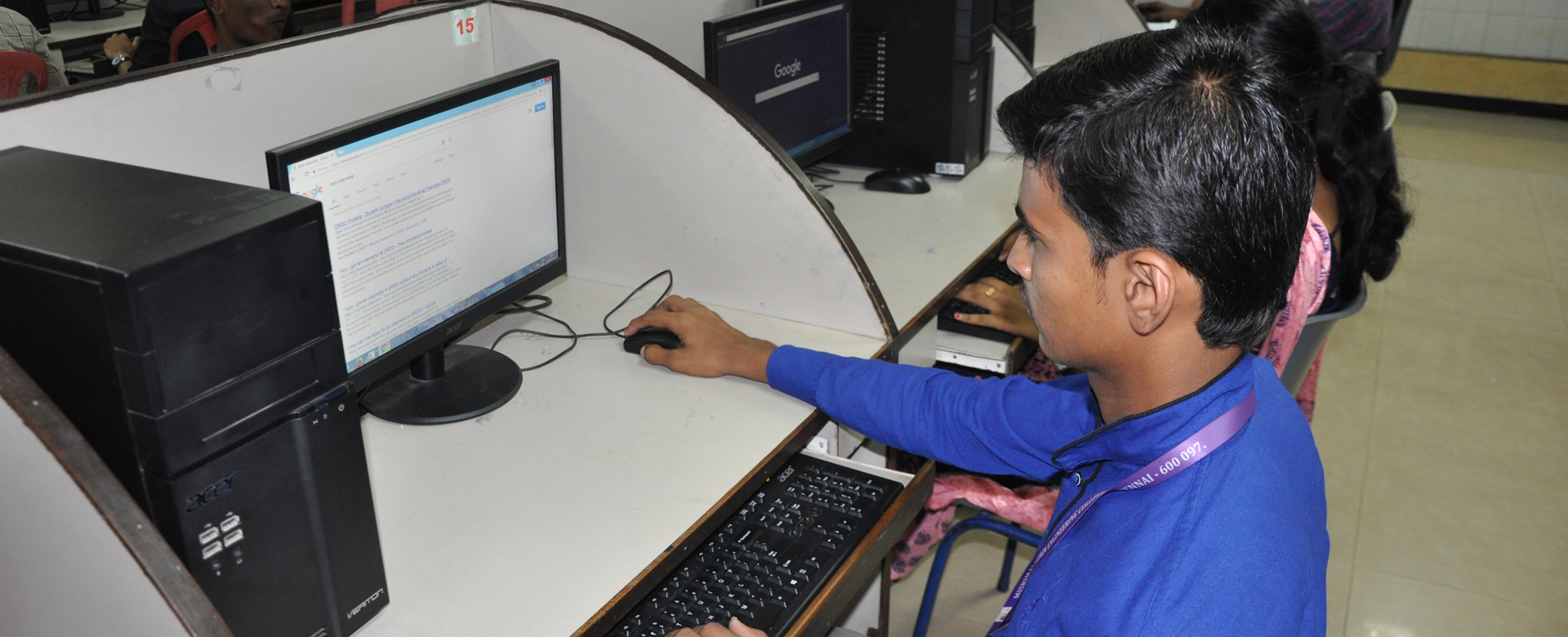
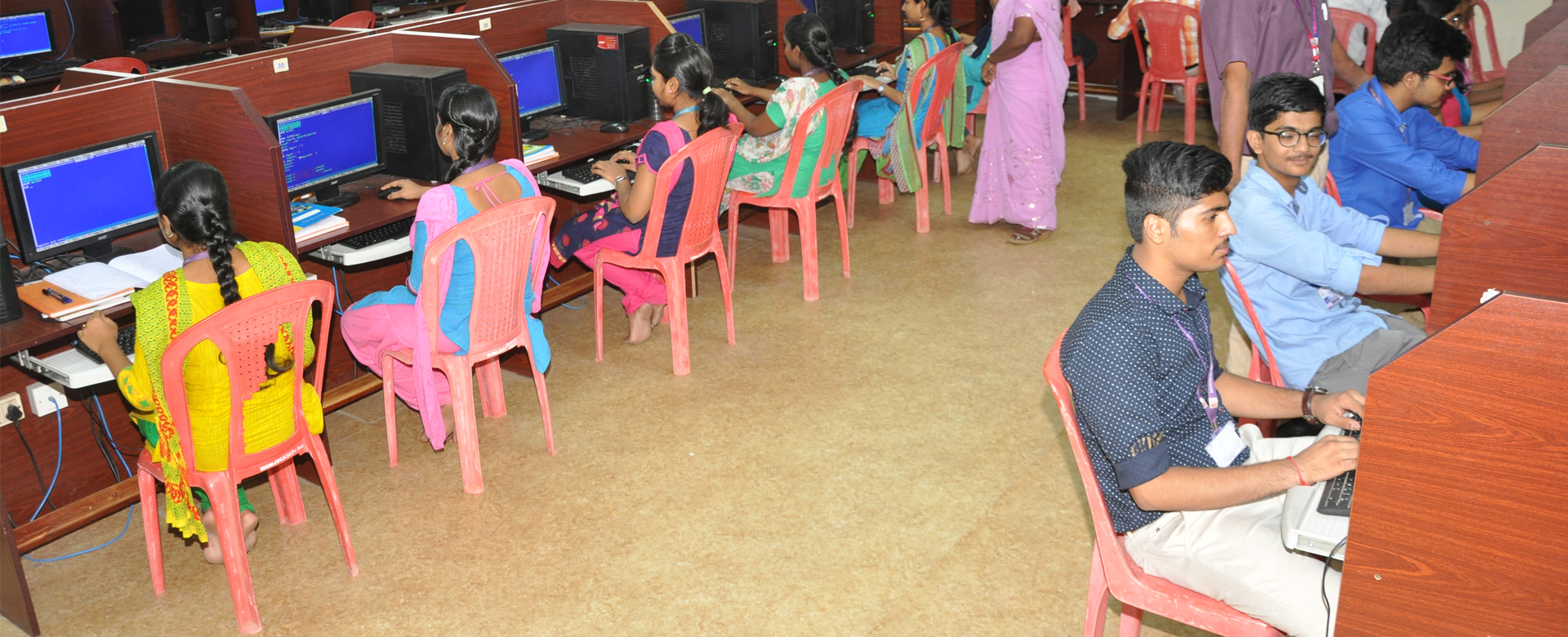
| S.L. NO | Name of the Laboratory | Machine Configuration | Quantity |
|---|---|---|---|
| 1. | Software Development Lab | ACER INTEL i5,8GB RAM,500GB HD | 30 |
| 2. | Operating System Lab | ACER INTEL i5,8GB RAM,500GB HD | 30 |
| 3. | Database Management Lab | ACER INTEL i5,8GB RAM,500GB HD | 30 |
| 4. | Internet Programming Lab | ACER INTEL i5,8GB RAM,500GB HD | 30 |
| 5. | P . G . Lab | ACER INTEL i5,8GB RAM,500GB HD | 12 |
| Department Technical clubs/ Public Programming Community | No. of Student members | Special Mentioning |
|---|---|---|
| i Club | 60 | iExpo – project exhibition is conducted every year to showcase the students projects |
| CSI Chapter | 58 | Seminars conducted in recent trends , students shares their knowledge with their peer groups. |
| ORATORS club | 58 | Technical group discussion |
| CYBERX club | 58 | Cyber secutity |
| CORDER'S HUB Club | 58 | Code development |
Events Participated and Won:
| CAY(2025-26) | CAYm1(2024-25) | CAYm2(2023-24) | |
|---|---|---|---|
| International Events | 9 | 6 (1- Won) | 4 |
| National Level Events | 130 (41 Won) | 74 (29-Won) | 76 (49- Won) |
| State Level events | 4 (1 Won) | 26 (3- Won) | 3 |
Dr.N. Saravanan
B.E., M.E. , Ph.D. | HOD
Dr.A.GeethaPriya
B.E., M.E., Ph.D | Asso. Professor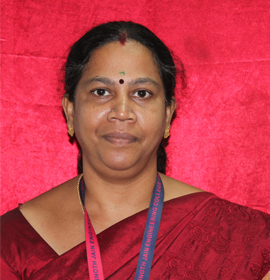
Mrs. P. Asha
B.E., M.E., (Ph.D.) | Asso. Professor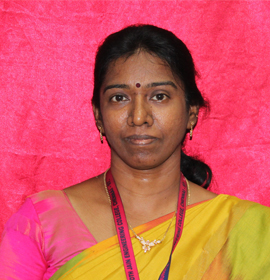
Mrs.X.Anitha
SarafinEpiphany
B.E., M.E., (Ph.D.) |
Asso. Professor
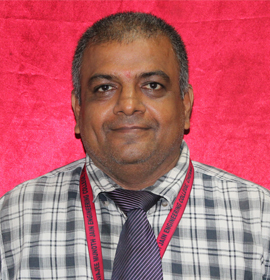
Mr. C.Annadurai
M.Sc., MCA, M.E.| Asso. Professor
Mrs D.Yashwanthni
B.E., M.Tech.,(Ph.D.) | Asst. Professor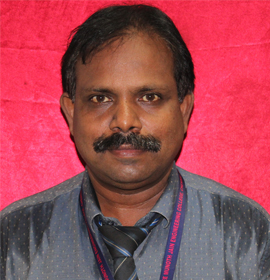
Mr. Y. Gold Anand
B.E., M.E.,(Ph.D.) | Asst. Professor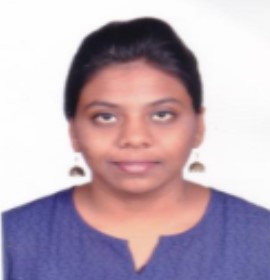
Mrs. NIVASHINI A
B.E., M.E.,(Ph.D.) | Asst. Professor
Mrs. KALPANA K
B.E., M.E.,(Ph.D.) – Asst. Professor
Mr. VARUNAMUTHU K
B.E., M.E. – Asst. Professor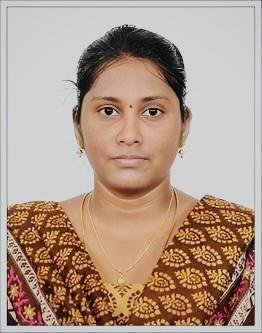
Mrs. SINDUJA.B
B.Tech.,M.E.,(Ph.D.) – Assistant professor - CSE
MRS. V . PONMANI
B.E., M.E. – Asst. Prof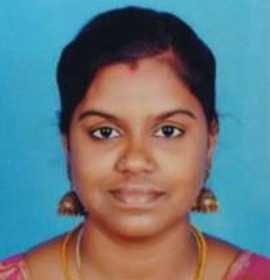
MRS. V PRIYANKA
M.Sc., - Lab Instructor
Mrs.M.Sasikala
DCA, B.Com | Lab Assistant