Civil Engineering

The Department of Civil Engineering was established in the academic year 2006–07 with the mission of producing graduates with strong moral values and competent engineering skills, capable of contributing to the upliftment of society.
Since its inception, the department has produced around fifty university rank holders and many more students with outstanding academic performance. It is equipped with state-of-the-art laboratory infrastructure and supported by a team of highly qualified and dedicated faculty members.
Students are consistently encouraged to undergo training, internships, and participate in technical workshops and competitions to enhance their cognitive abilities and strengthen their real-time problem-solving skills. Faculty members are continuously motivated to organize and participate in Faculty Development Programmes (FDPs), workshops, and conferences to stay abreast of contemporary advancements in their respective fields of expertise. The department also provides active support and guidance to eligible students in securing suitable placements aligned with their career goals.
Programme offered by the Department:
B.E - Civil Engineering (4 Year Full time course)
M.E - Structural Engineering (2 Year Full time course)
Vision:
To achieve academic excellence in various domains of civil engineering and to produce human resource to cater to the needs of the infrastructural development of the country.
Mission:
- To produce qualified civil engineers by continuously upgrading the infrastructure and also by providing ambiance for achieving excellence in technical education and research.
- To impart knowledge of fundamental principles and to make the students competent in the field of civil engineering.
- To cultivate human values and ethics to our graduates.
Programme Educational Objectives:
- To prepare graduates to identify, analyse, and solve problems related to Civil Engineering in various contexts, enabling them to succeed in their professional careers.
- To produce employable graduates with sound knowledge, competency, and relevant skills in Civil Engineering.
- To nurture innovative thinking, design capabilities and soft skills essential for effective problem-solving.
- To enable graduates to work collaboratively on multidisciplinary projects with effective communication, leadership qualities, and strong ethical values.
- To encourage graduates to pursue research and engage in lifelong learning to adapt to technological advancements.
Program Specific Outcomes
1.Ability to apply acquired Civil Engineering knowledge to design and construct optimized, efficient, and safe structures.
2.Ability to develop eco-friendly materials and solutions by utilizing industrial by-products to promote sustainable infrastructural development.
Engineering Graduates will be able to:
Laboratories with major equipments
- PENTAX Total Station Model with all standard accessories, Wooden Pole, Single Prism Assembly, Range Pole, Range Pole Stand.
- Hand held GPS
- Standard Vernier Theodolite Model with all standard accessories and Aluminum Stand
- Plane Table with Accessories and Wooden Stand
- Dumpy Level DL -9 White with Accessories and Aluminum stand
- Prismatic Compass with Stand
- Surveyors compass with stand
- Chain , cross staff, ranging rods with stand, arrows , levelling
- Measuring tapes
- Desktop computers 40 numbers with AutoCAD software.
- STADD Pro �Structural Analysis and Design Software
- Laser Printer
- Universal testing machine (computerized cum analog)
- Torsion testing machine
- Brinell hardness testing machine
- Impact testing machine
- Beam deflection test apparatus
- Spring testing machine
- Extensometer
- Metallurgical microscope
- Compression testing machine
- Los angels abrasion testing machine
- California Bearing Ratio Apparatus
- Marshall stability Apparatus
- Flexure testing machine
- Aggregate Impact testing Machine
- Aggregate Crushing Testing Apparatus
- Bitumen Penetration Apparatus
- Concrete Mixer
- Vee- Bee Consistometer
- Bitumen Ductility Testing Machine
- Flow table
- Compaction factor test apparatus
- Table vibrator
- Needle vibrator
- Slump cone
- Bitumen viscometer
- Vicat needle apparatus
- Lee chatlier apparatus
- Blains air permeability appaeratus
- Flakiness and elongation index test apparatus
- Triaxial Shear Test Apparatus
- Direct Shear Test (Motorized)
- CBR apparatus
- Relative Density Apparatus
- Liquid Limit apparatus (Motorised & Hand operated)
- Plastic Limit Apparatus
- Shrinkage Limit Apparatus
- Consolidation Apparatus (Three Gang)
- Proctor compaction apparatus (Light & Heavy)
- Soil hydrometer
- Unconfined compression testing machine
- Field Density Apparatus
- Bernoulli's Theorem Apparatus
- Meta Centric Height Ship Model Apparatus
- Notch And Weir Apparatus
- Flow Through Orifice
- Mouth Piece Tank Apparatus
- Flow Through Venturi
- Losses in Pipe Fittings Apparatus
- Kaplan Turbine Apparatus
- Pelton Impulse Wheel Turbine Apparatus
- Francis Turbine Apparatus
- Submersible Pump Assembly
- Centrifugal Pump Assembly
- Reciprocating Pump Assembly
- Multistage Apparatus
- Jet Flow Apparatus
- Venturi Flume
- BOD Incubator
- Muffle furnace
- COD Digester
- Ph, Turbidity and Conductivity meter
- Hot air oven
- Jar Test Apparatus
- Spectrometer
- ION /pH meter
- Flame photometer
- Imhoff cone
- Burette and pippets
- magnectic stirrer with Hot plate
- Oxygen analyser
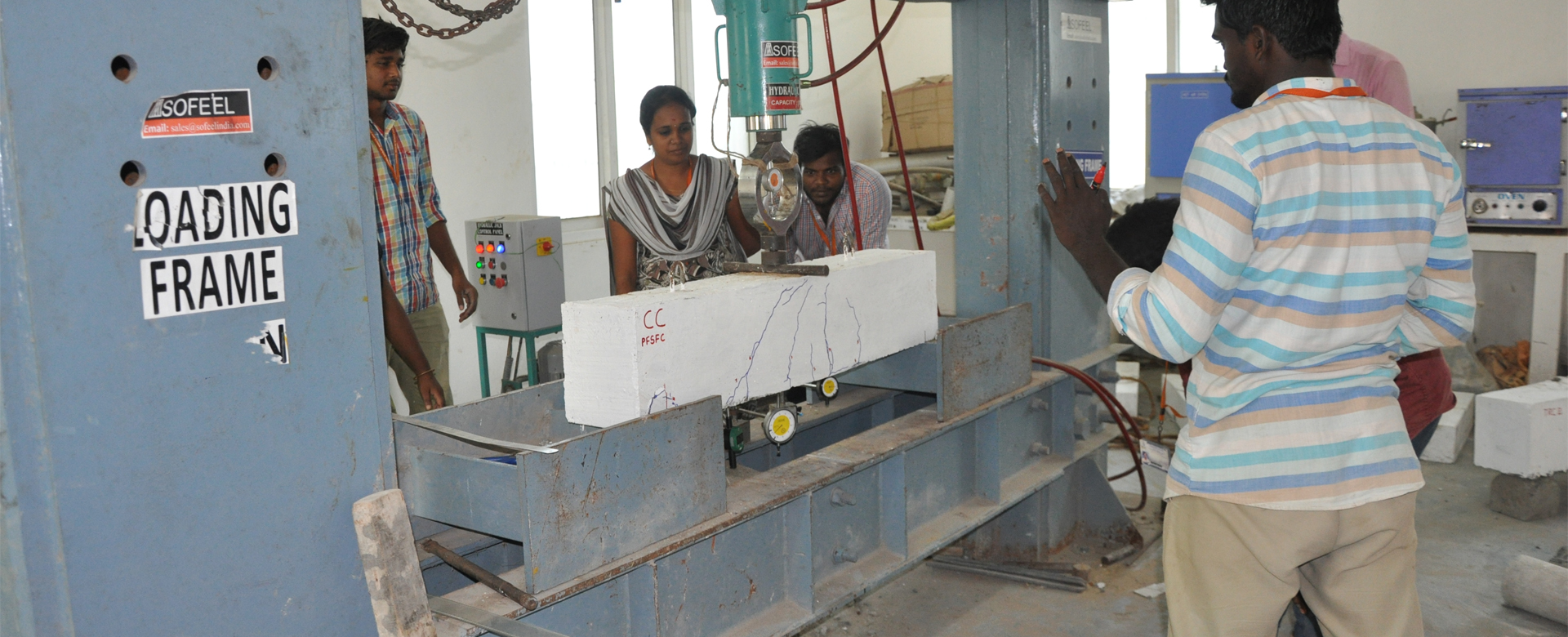
- Loading Frame
- Hydraulic Jack
- Load Cell
- Proving Ring
- Demec Gauge
- Electrical Strain Gauge with indicator
- Rebound Hammer
- Ultrasonic Pulse Velocity Tester
- Dial Gauges
- Clinometer
- Vibration Exciter
- Vibration Meter
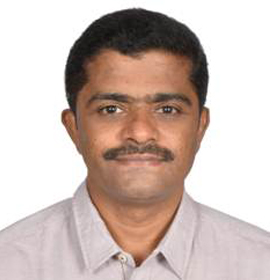
Dr. C. Krishna Kumar
B.E., M.E. , P.hD. |Professor
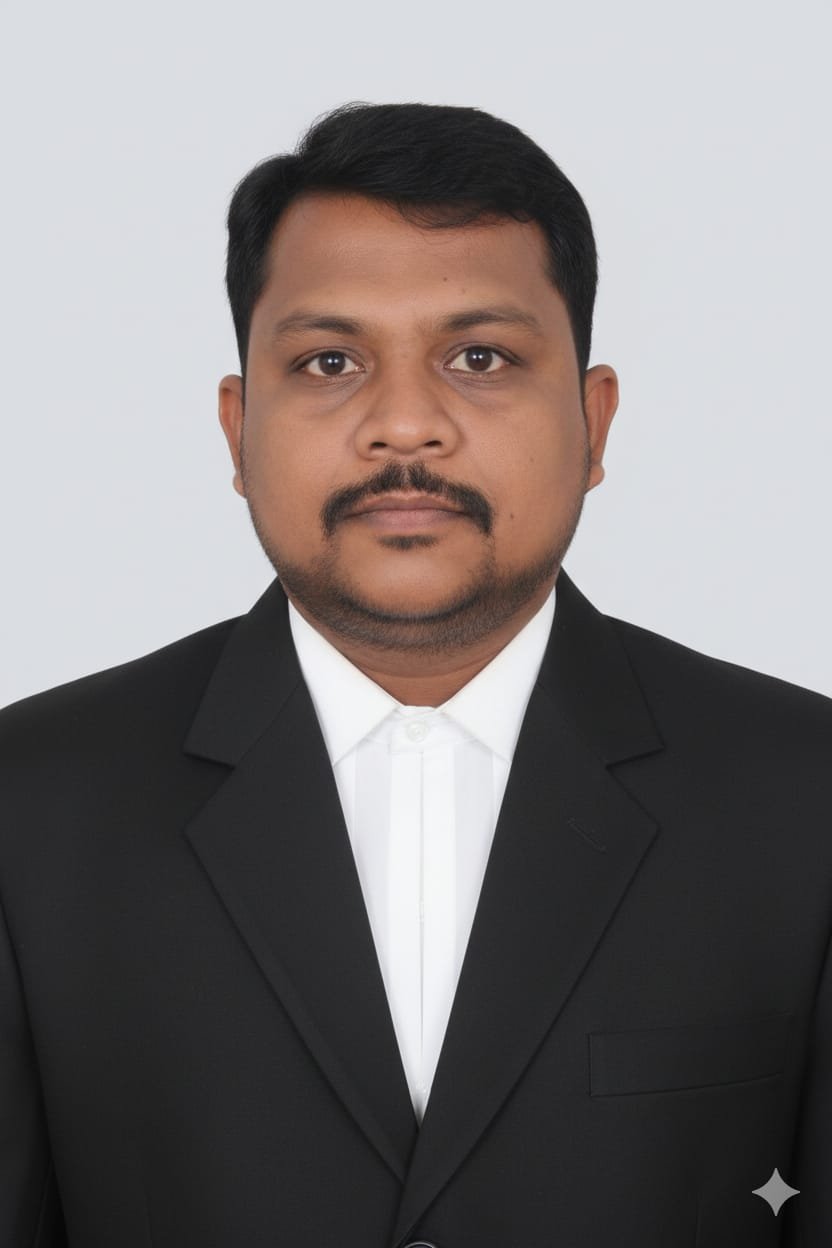
Mr. R. Yuvaraj
B.Tech., M.E. |Assistant Professor
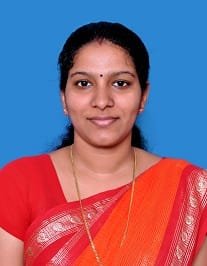
Mrs. S. Minu
B.Tech., M.Tech.,|Assistant Professor

Mrs. A.C. Lalitha Muthu
B.E., M.E.,|Associate Professor
Mr. M. DINESH
B.Tech., M.E.,|Assistant Professor
Mr. P. JAGADEESH
B.E., M.E.,|Assistant Professor
Mr. V K JAGADEESH KUMAR
B.E., M.E.,|Assistant Professor
Mr. SIVARAJ
B.E., M.E.,|Assistant Professor

V.Kavitha
LabAttender

Mr. T. Baskaran
LabB.A., | Computer Operator