Information Technology
The Department of Information Technology was established in 1999 with an initial intake of 30 students. The first batch graduated in 2003, achieving an impressive pass percentage of 93.9%.
The department comprises 12 highly qualified and dedicated faculty members, of whom two hold doctoral degrees and four are pursuing Ph.D. programmes in various domains of Computer Science and Engineering.
The Department of Information Technology is committed to providing a balanced blend of theoretical and hands-on learning experiences, ensuring that students gain both conceptual understanding and practical exposure. Over the years, the department has produced numerous successful engineers who have excelled in academia, industry, and research, and continues to nurture competent professionals who contribute meaningfully to the field.
The B.Tech. Information Technology programme has been accredited by the National Board of Accreditation (NBA) twice — in 2008 and 2018 — reaffirming the department’s dedication to maintaining high academic standards and continuous improvement in technical education.
Programme offered by the Department:
B.Tech Information Technology (4 Year Full time course)
Vision:
To produce high quality, creative and ethical engineers and technologists contributing effectively for the ever advancing Information Technology field.
Mission:
- To educate the future software engineers with strong fundamentals by continuously improving the teaching learning methodologies using contemporary aids.
- To create a knowledge hub of Information technology with everlasting urge to learn by developing, maintaining and continuously improving the resources/technology.
- To produce ethical engineers / researchers by instilling the values of humility, humaneness, honesty and courage to serve the society.
Programme Educational Objectives:
- To provide a strong foundation in mathematical, scientific, and engineering principles essential for analysing, formulating, and solving complex engineering problems.
- To equip students with comprehensive knowledge and practical expertise in key areas of Information Technology, including Operating Systems, Database Management, Networking, Security, Embedded Systems, and Programming, through innovative teaching and modern technological tools.
- To offer relevant engineering experience in designing and conducting experiments, and to enable students to analyse and interpret experimental data effectively.
- To inculcate the habit of continuous learning, preparing graduates to adapt to technological advancements and emerging challenges throughout their professional careers.
- To integrate technical expertise with ethical values, ensuring the holistic development of future software engineers capable of contributing meaningfully to society.
Engineering Graduates will be able to:
The Department of Information Technology has signed the following MOUs.(Memorandum of Understanding).
- Hyntech Business Solutions Pvt Limited.
- Phoenix Systems.
- Avancer Software Solutions Pvt. Ltd.
- Pyroferus Technologies.
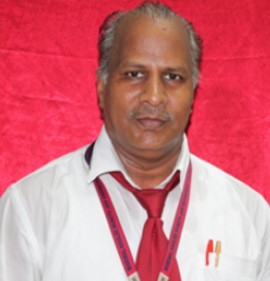
Dr.N.Jaisankar
M.E, Ph.D | Professor & HOD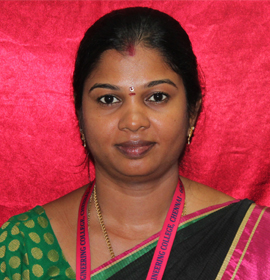
Mrs.V.Nandhini
B.Tech.,M.E | Associate professor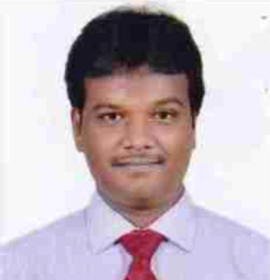
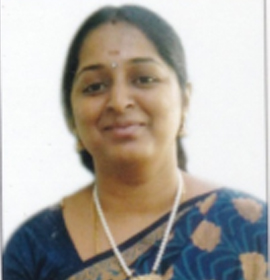
Mr. M.K.T. NIVAS KUMAAR
B.Tech., M.Tech.|Asst. Professor
Mrs. T. GAYATHRI DEVI
B.E., M.E., Assistant Professor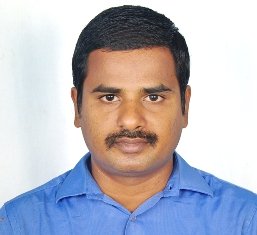
MR.K. KISHORE KUMAR
B.E., M.E., | Assistant Professor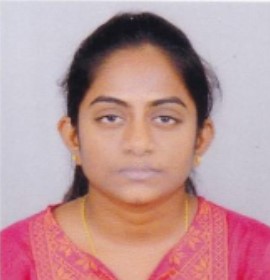
Mrs. THENMOZHI R
B.E., M.E., (Ph.D.) | Asst. Professor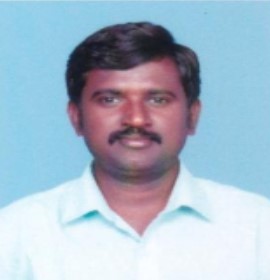
Mr. SATHISHKUMAR P
B.E., M.E. | Asst. Professor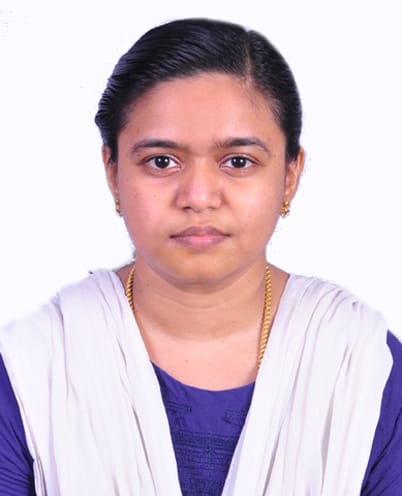
Ms. O Sheela
B.E., M.E., | Asst. Professor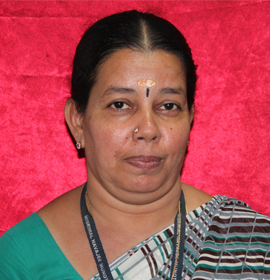
Mrs. S. Gayathri
S.S.L.C |Attender

PSO 1
The capability to apply standard and ethical practices, strategies and prototype development skills to excel in the domains such as Storage System & Management, Networks,Security,Algorithm Design, Image Processing and Distributed System.
PSO 2
The ability to create an innovative career path as an employer / employee for the sustainable development of the society.
Infrastructure
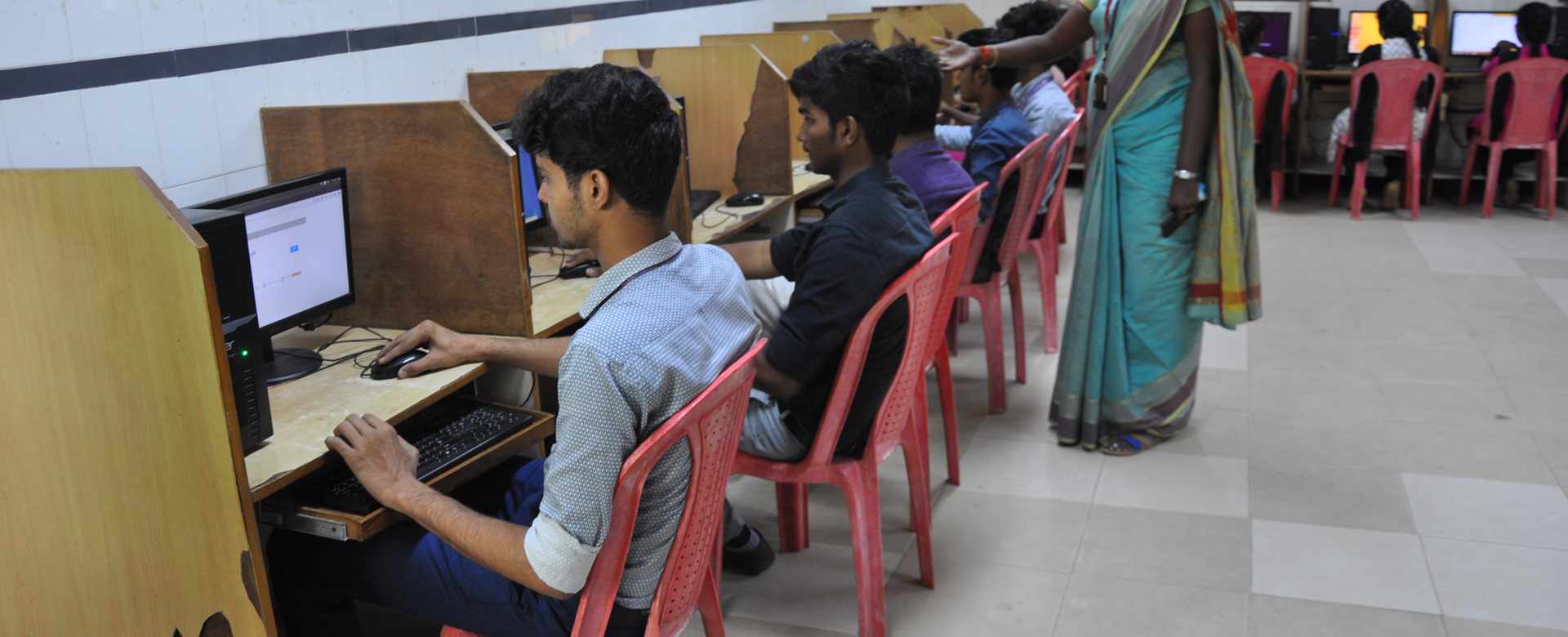
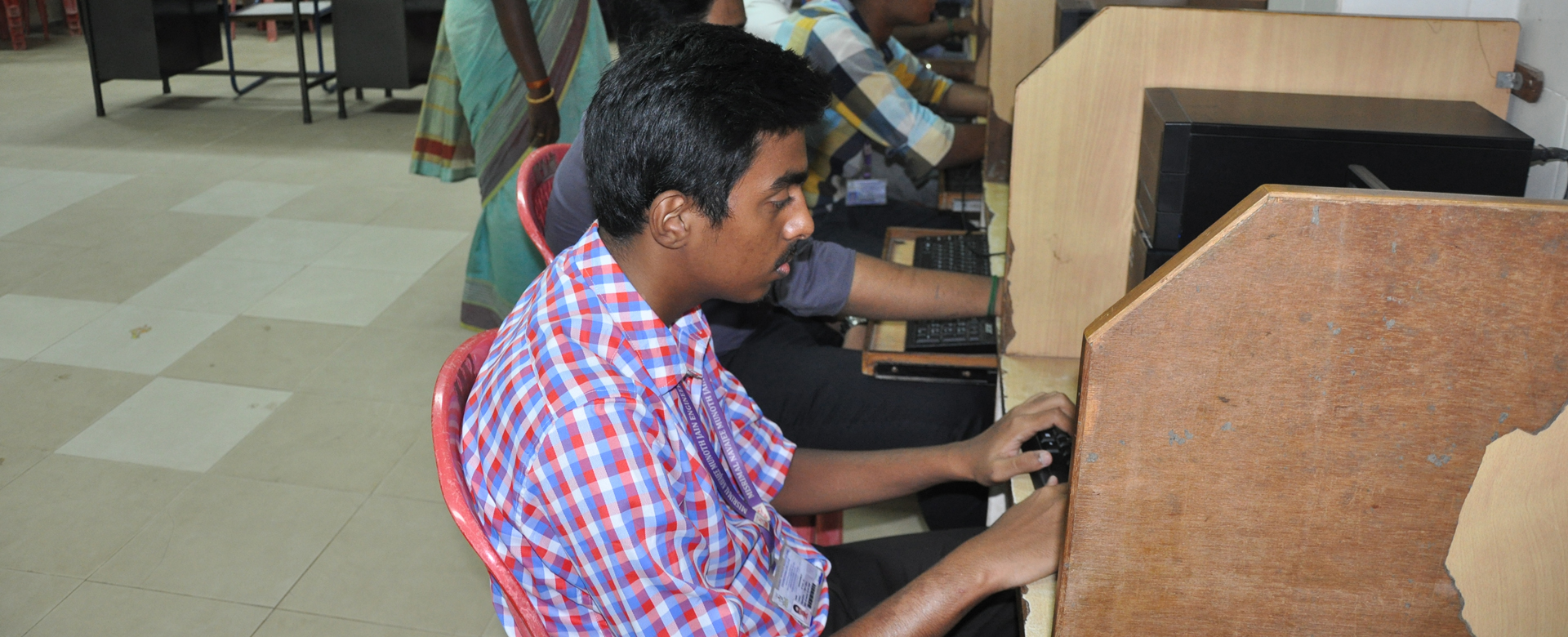
The Department has spacious classrooms and well-equipped laboratories. It has three fully air-conditioned computer labs with 109 systems, all in a networked environment with an un-interrupted power supply. These systems have the most updated software and run on various platforms such as Windows and Linux. The department offers free high-speed Internet facility. The lab is equipped with 10KVA, 15KVA and 21KVA UPS for backup. Firewall set up is available to deny access to sites or programs that don't fit into the criteria.