The Department of Electrical and Electronics Engineering (EEE) was established in the academic year 1999–2000, with the first batch graduating in 2003. The department offers a Bachelor of Engineering (B.E.) program in Electrical and Electronics Engineering with an annual intake of 30 students. The program is approved by the All-India Council for Technical Education (AICTE), New Delhi.
The B.E. EEE program provides students with a robust foundation in both theoretical concepts and practical applications across key domains such as Electrical Machines, Power Systems, Control Systems, Power Electronics, Instrumentation, and Renewable Energy Technologies. The curriculum is designed to prepare graduates for the evolving demands of modern industry and research.
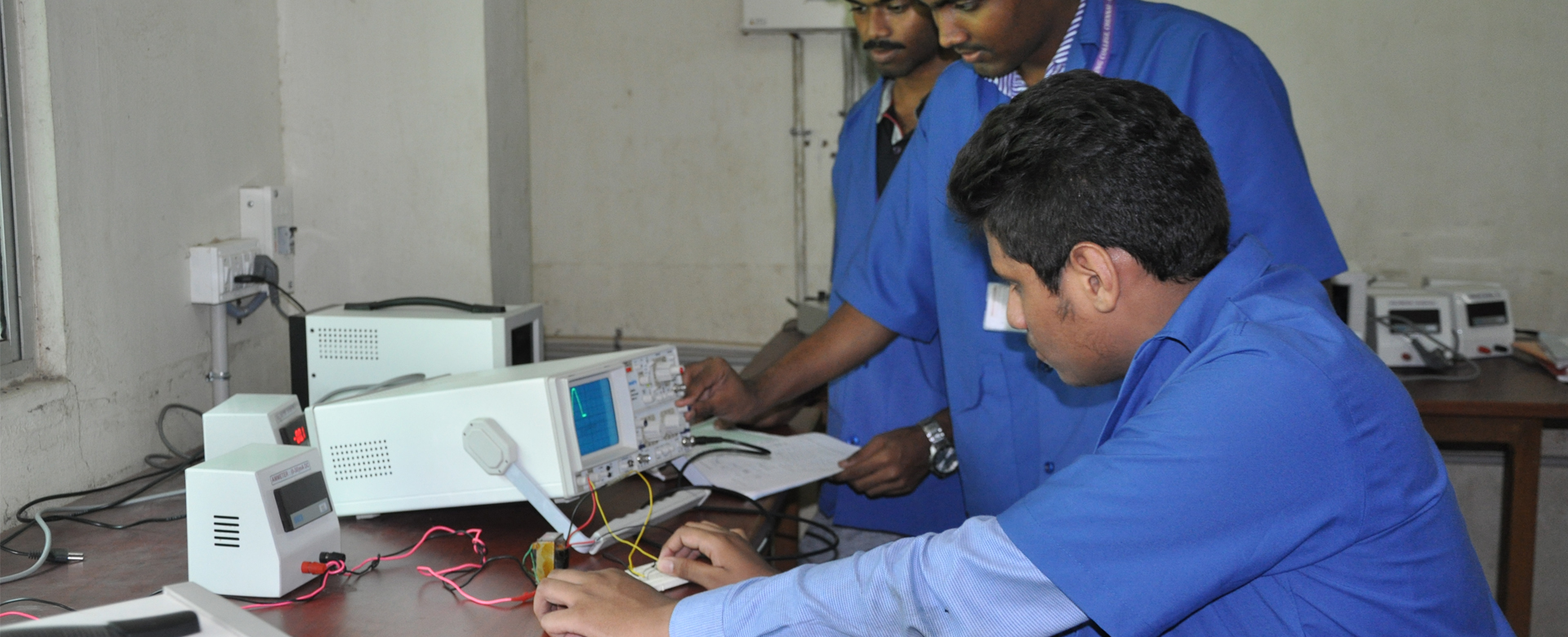
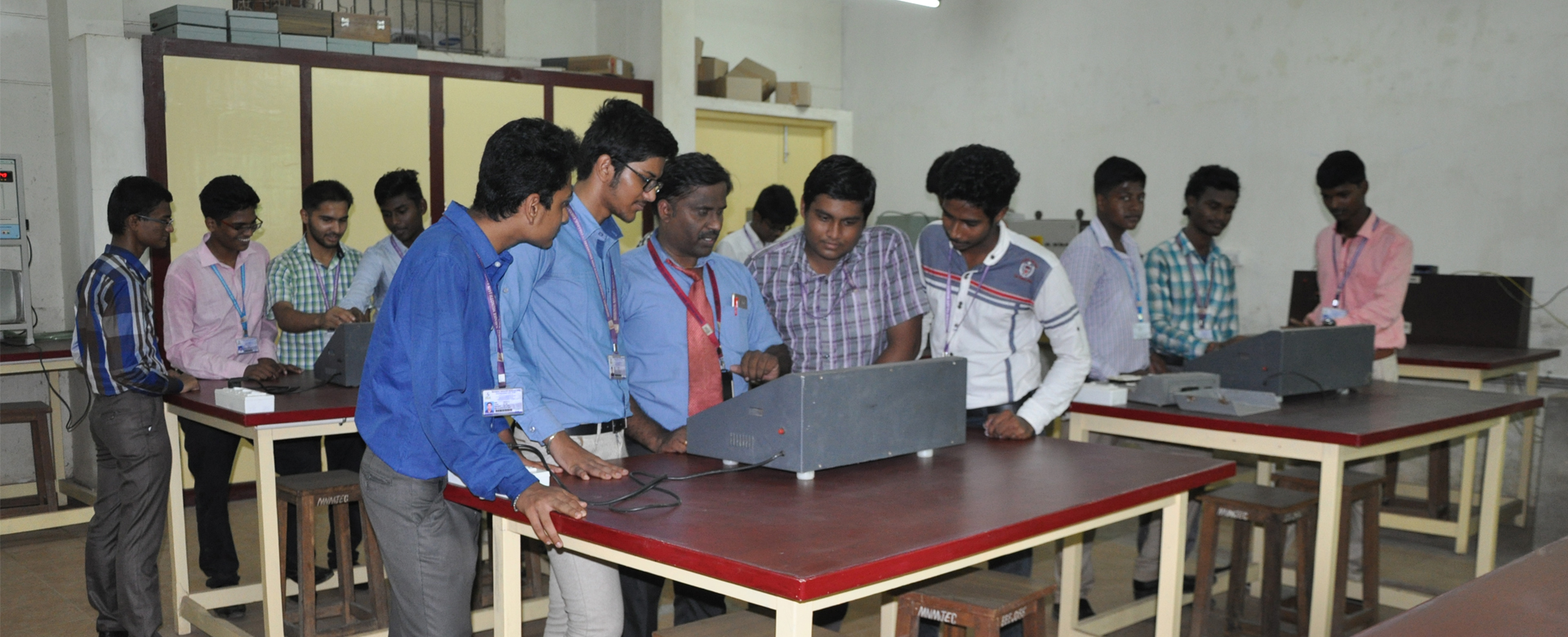
The department is guided by dynamic and accomplished faculty members who are dedicated to academic excellence, innovation, and holistic student growth. All laboratories are equipped with state-of-the-art infrastructure and modern instruments, enabling students to gain hands-on experience and technical expertise.
The department hosts an active Association of Electrical and Electronics Engineers (AEEE),
which regularly organizes symposia, seminars, workshops, and guest lectures to enhance
technical and professional skills. The association also publishes a biannual newsletter titled
“ELEKTRIKA”, curated and edited through the collaborative efforts of students and faculty
members.
In addition, the department’s Energy Club conducts a variety of activities such as workshops,
seminars, and student-led projects aimed at promoting awareness, innovation, and research in
renewable and sustainable energy technologies.
Head of the Department
Dr. N. Gnanasekaran, Professor and Head, Department of Electrical and Electronics
Engineering, holds a B.E. in Electrical and Electronics Engineering from Annamalai University,
an M.E. in Power System Engineering from the College of Engineering- Guindy (Anna University,
Chennai), and a Ph.D. in Power Systems from Anna University, Chennai.
With 25 years of teaching experience, Dr. Gnanasekaran has published numerous research papers
in national and international journals. His areas of specialization include Electrical
Machines, Power Systems, and Soft Computing Techniques. He is a member of IEEE, and a life
member of both the Indian Society for Technical Education (ISTE) and the Indian Red Cross
Society.
Courses Offered
UG Programme: B.E. Electrical and Electronics Engineering
Vision:
To create technically proficient individuals with good attitude and character to meet global standards of excellence across multiple domains in Electrical and Electronics Engineering to serve the industry and society
Mission:
- To equip the students with strong fundamental principles to enable them to acquire advanced technical knowhow in domains of Electrical and Electronics Engineering.
- To contribute towards the mutual progress of industry and institute by providing technically competent engineers.
- To benefit the society by producing engineers who have an urge for continuous learning and to excel in their profession ethically.
Programme Educational Objectives:
Graduates of the Electrical and Electronics Engineering program will:
- Possess the ability to formulate, analyse, and solve engineering problems using sound knowledge of mathematics, science, and engineering fundamentals.
- Demonstrate strong theoretical and practical expertise in various areas of Electrical and Electronics Engineering.
- Excel in multiple domains such as Electrical Machines, Power Systems, and Power Electronics.
- Apply emerging technologies to innovate, design, and develop new systems, and possess the capability to become entrepreneurs.
- Face contemporary global challenges ethically and contribute positively to the advancement of technology and society.
Program Specific Outcomes
Apply acquired knowledge to identify, formulate, design, and analyse complex engineering problems in Power Systems, Power Electronics, and related applications.
Demonstrate the ability to develop and implement eco-friendly electrical systems by utilizing renewable energy sources effectively.
Engineering Graduates will be able to:
- Well equipped Laboratories
- Department Library
- Staff cubicles
- HOD Cabin and Staff Conference room
- Smart room
- Four Ventilated Class rooms
- Project Lab
Laboratories with major equipments
The Department of Electrical and Electronics Engineering has six well equipped laboratories.
To provide exposure to the students with hands on experience on basic practices in Electrical Engineering. This lab caters to the needs of first year B.E. / B. Tech. students of all branches.
To acquaint the students with theory, construction, operation and characteristics of the electric circuits and electronic devices.
Major equipments in this lab are:
- SCR, BJT
- DIAC, TRIAC
- Cathode Ray Oscilloscope
- Thermistor Kit
- JFET, Resonance Measurement Kit
- DCB, DRB, Multimeters etc.
- Half Wave Rectifier and Full Wave Rectifier kit
To enable the students to learn the Construction, Operation and Characteristics of DC Machines, Transformers, Synchronous and Induction Machines and give them experimental skill.
Major Equipments in this lab are:
- DC Shunt Generator
- DC Series Generator
- DC Compound Generator
- DC Shunt Motor
- DC Series Motor
- DC Compound Motor
- Single Phase Squirrel Cage Induction Motor
- Three Phase Squirrel Cage Induction Motor
- Three Phase Slip Ring Induction Motor
- Alternator
- Synchronous Motor
- Single Phase Transformer
- Three Phase Transformer etc.
The Control System part of this lab is equipped with AC and DC Servomotors, Synchro Transmitter and Receiver, Stepper Motor, PID Controllers and Compensator Module to support experiments in control system area. A sophisticated temperature control module is also available. The Instrumentation part of this lab is to fortify the students with adequate work experience in the measurement of displacement, resistance, inductance, torque, angle etc., and to give exposure to AC, DC bridges and transient measurement
Major Equipments in this lab are:
- Control Systems:
AC Servo Motors, Synchros, DC and AC Position Control Kits, Stepper Motors, DC Servo Motors, DC Shunt Motors, DC Shunt Motor Coupled with DC Shunt Generator, PID Controller, Cascade Temperature Controller, Lead -Lag Compensator
- Instrumentation:
Wheatstone Bridge, Anderson Bridge , Kelvin's Double Bridge , Schering Bridge, Cathode Ray Oscilloscope , Digital Storage Oscilloscope, Regulated Power Supply, Strain Gauge Kits, Pressure Gauge Kits, LVTD Kits, Watt Meter, Energy Meter etc
To study the characteristics of switching devices and their applications in rectifier, inverter, chopper and resonant converter. This lab is equipped with Oscilloscopes, Function Generators, Converters, Firing Modules, Digital Storage Oscilloscopes, RLC meters and Power Supply units. This lab is also used for research and development work.
Major Equipments in this lab are:
- Half Wave Rectifier and Full Wave Rectifier Modules
- Resonant DC-DC Converters Modules
- Series and Parallel Inverter
- IGBT based Chopper Modules, Voltage Commutation Choppers
- SCR, TRIAC, MOSFET Modules
- Single Phase and Three Phase PWM Inverter Modules
- Single Phase Cyclo-Converters
To acquire software development skills and experience in the usage of standard packages necessary for analysis and simulation of power system required for its planning, operation and control. This lab has 36 terminals and is equipped with AU Power Lab Software Package and MATLAB. It supports the students and faculty members to develop and validate any software package required for the projects and also utilized for research & development activities.
Best Outgoing Student of EEE department
| S.L. NO | Academic Year | Name of the Student |
|---|---|---|
| 1. | 2017-2018 | Sanket R Jain |
| 2. | 2016-2017 | Dungaram D |
| 3. | 2015-2016 | Sandeep K S |
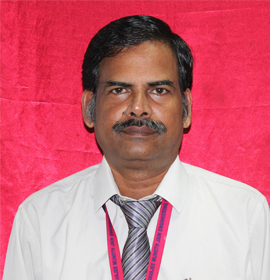
Dr. N. Gnanasekaran
B.E., M.E., Ph.D.Professor & HOD
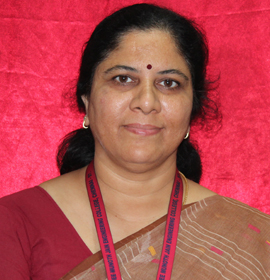
Dr. Pranati Katyal
B.E., M.Tech(Distn.),Ph.D.Professor
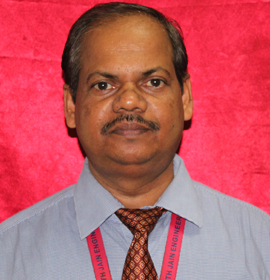
Dr.Nimain Charan Nayak
A.M.I.E., M.Tech., Ph.D.Associate Professor
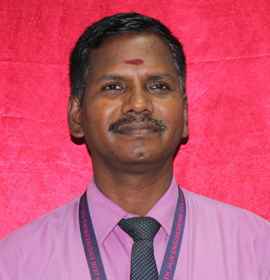
Dr. M. ANANDAN
B.Sc., B.Tech., M.Tech., Ph.D.,Associate Professor
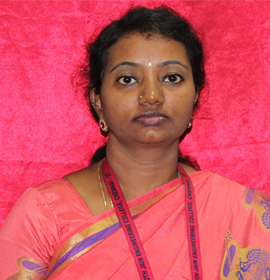
Dr. N. Deepa
B.E.,M.Tech,Ph.D.,Assot. Professor
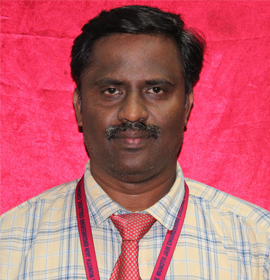
Dr. V. Gnanasekar
B.E., M.Tech, Ph.DAsst. Professor
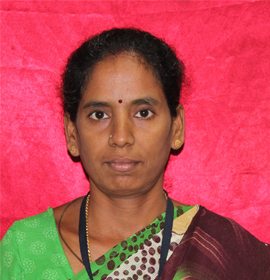
Ms. M. Sathya
DECELab Instructor
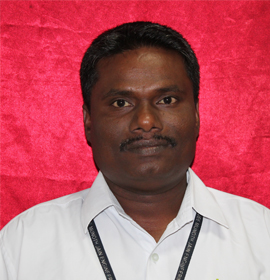
Mr. V. Sivakumar
BBA (OUS), DEEELab Instructor